Pablo Campuzano
<
Back to design
BiciLab
Role:
Interaction designer, coder
Tools and Skills:
Co-creation, physical computing, interaction design
Urban cyclists in Bogotá are a community in constant motion, literally and socially. They share routes, rhythms, and an ongoing effort to reclaim space in a city not always built for them. BiciLab started from that reality: a design laboratory built around the cycling community, using co-creation to explore how technology could make the interactions between cyclists and their environment more visible and meaningful.
The lab sessions
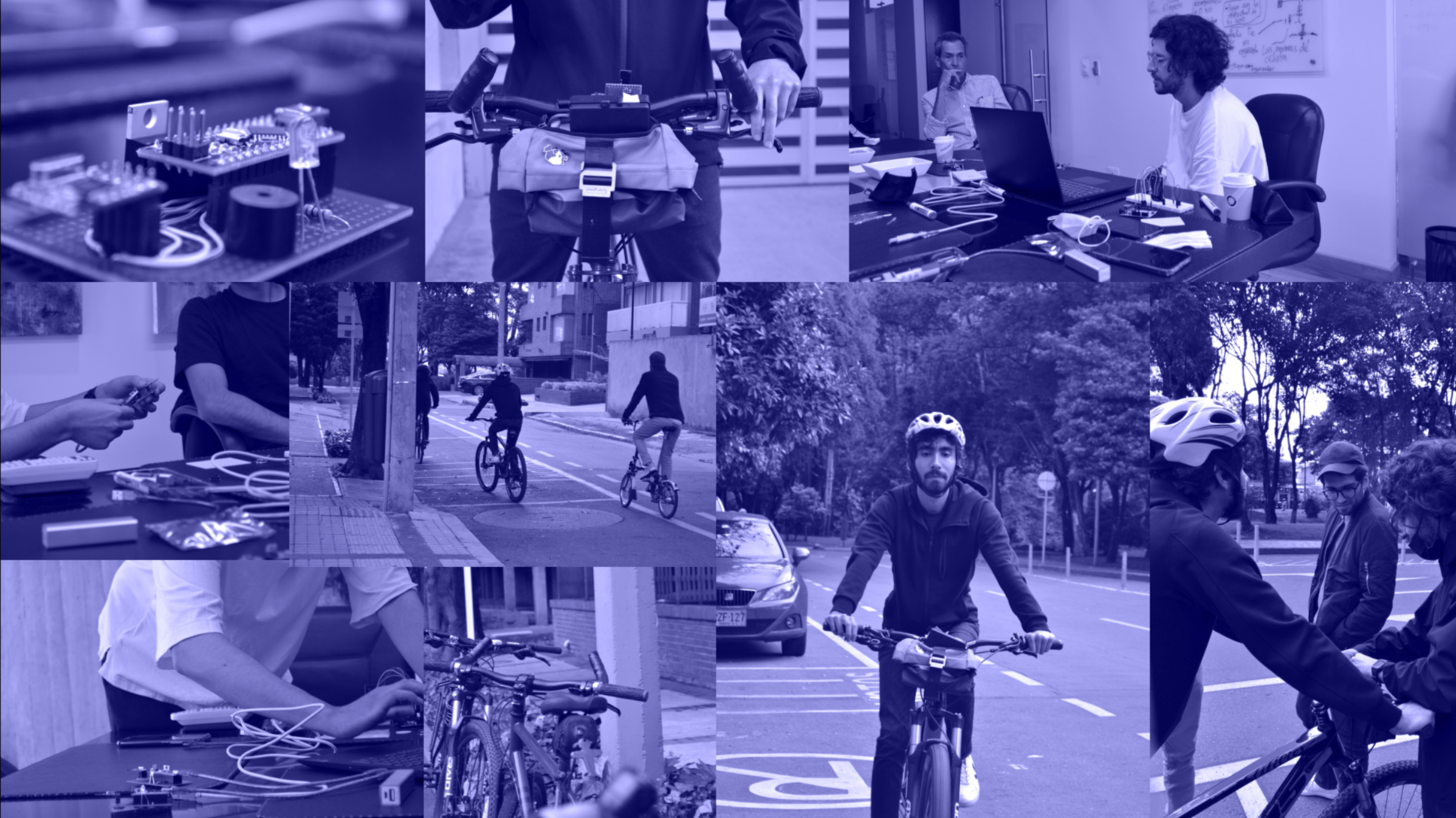
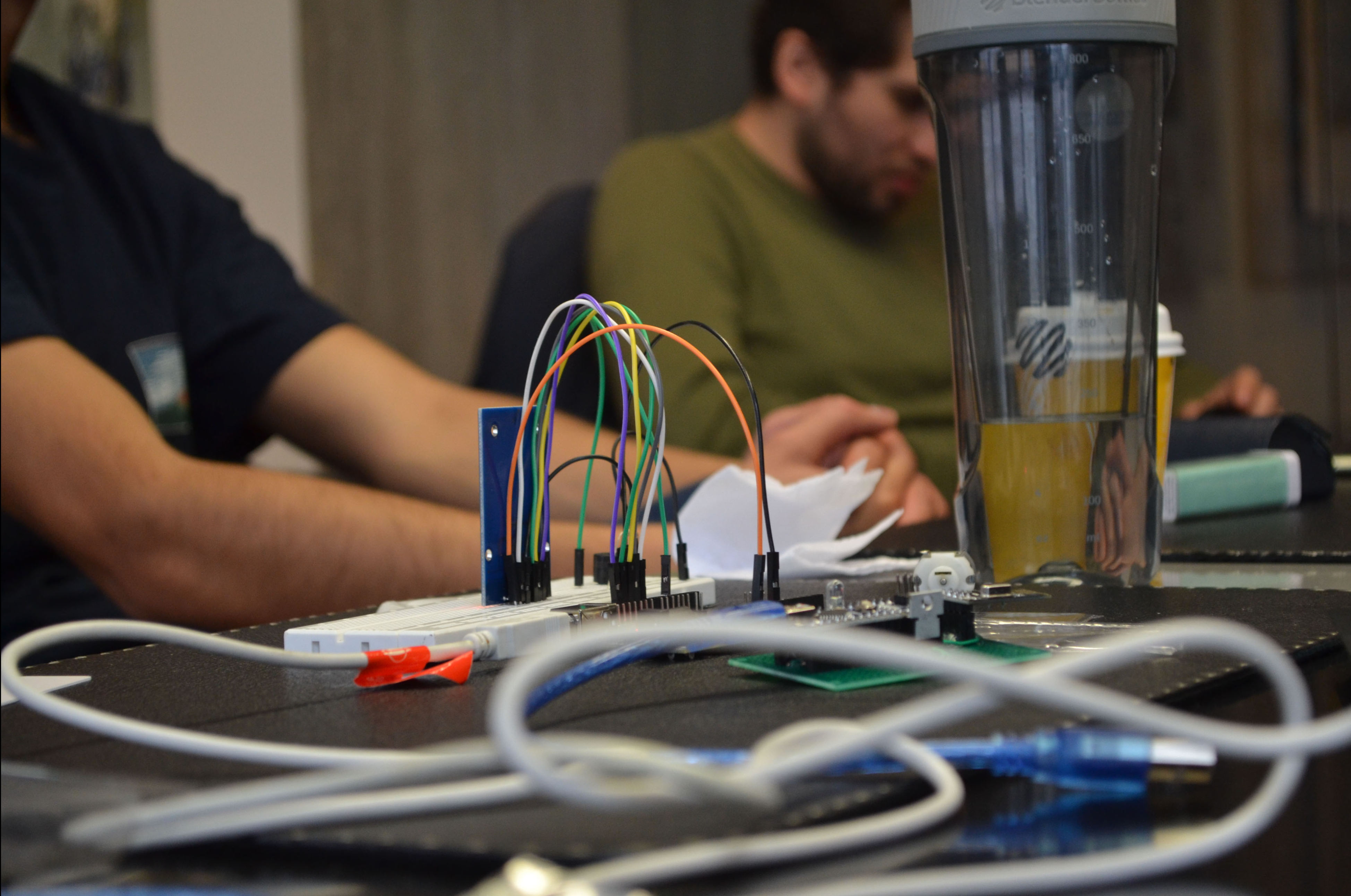
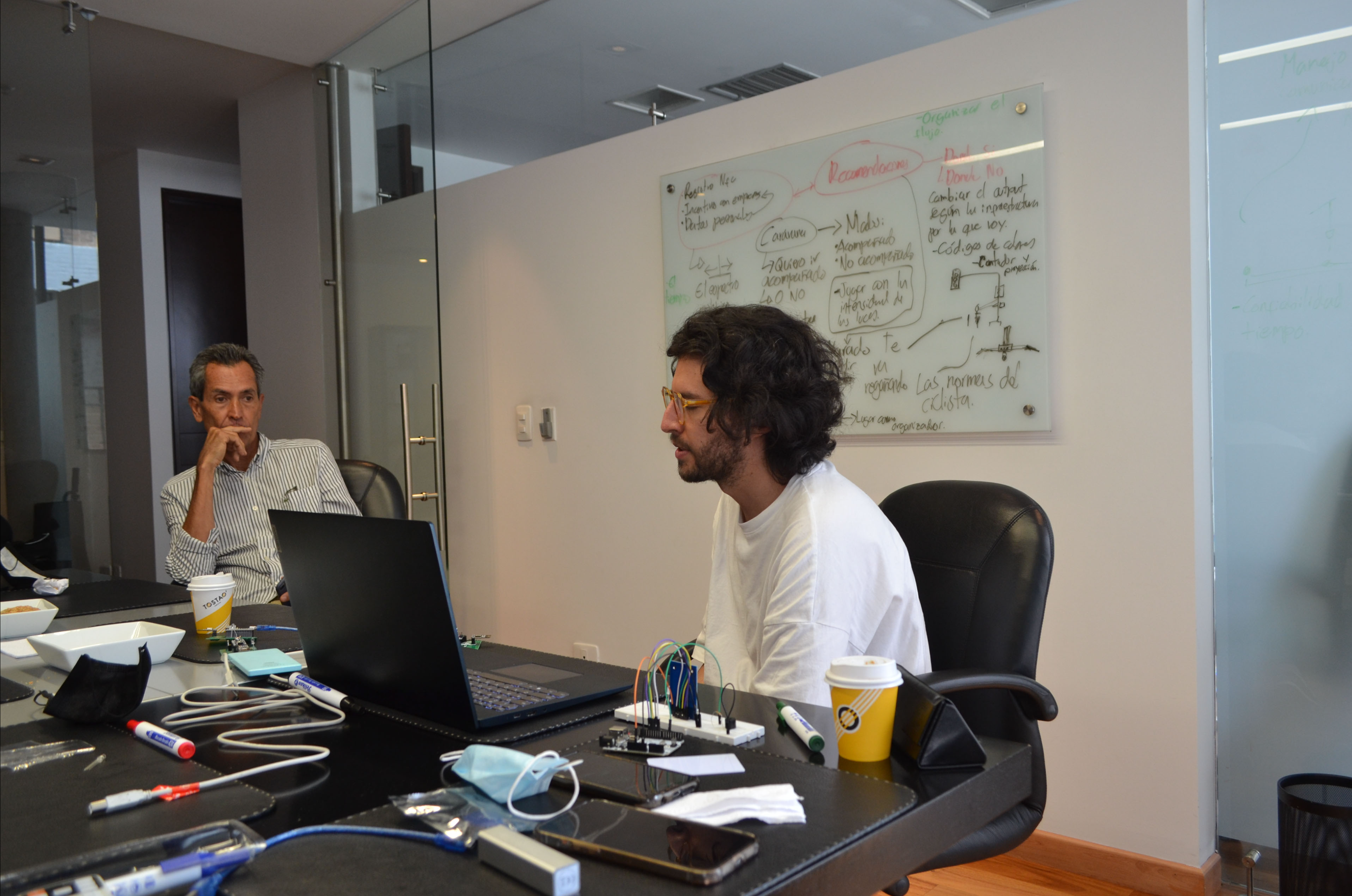
To ground the project in real practice, I held two design lab sessions with urban cyclists. Rather than presenting solutions, I gave participants a set of technological challenges and asked them to propose their own visualization experiments. The sessions were structured around the cyclists' existing knowledge of their own experience, making them the authors of what the technology would eventually do.
The outcome of the sessions was clear: cyclists wanted to communicate with each other through light, both with the people they ride with regularly and with strangers sharing the road.
The technology module
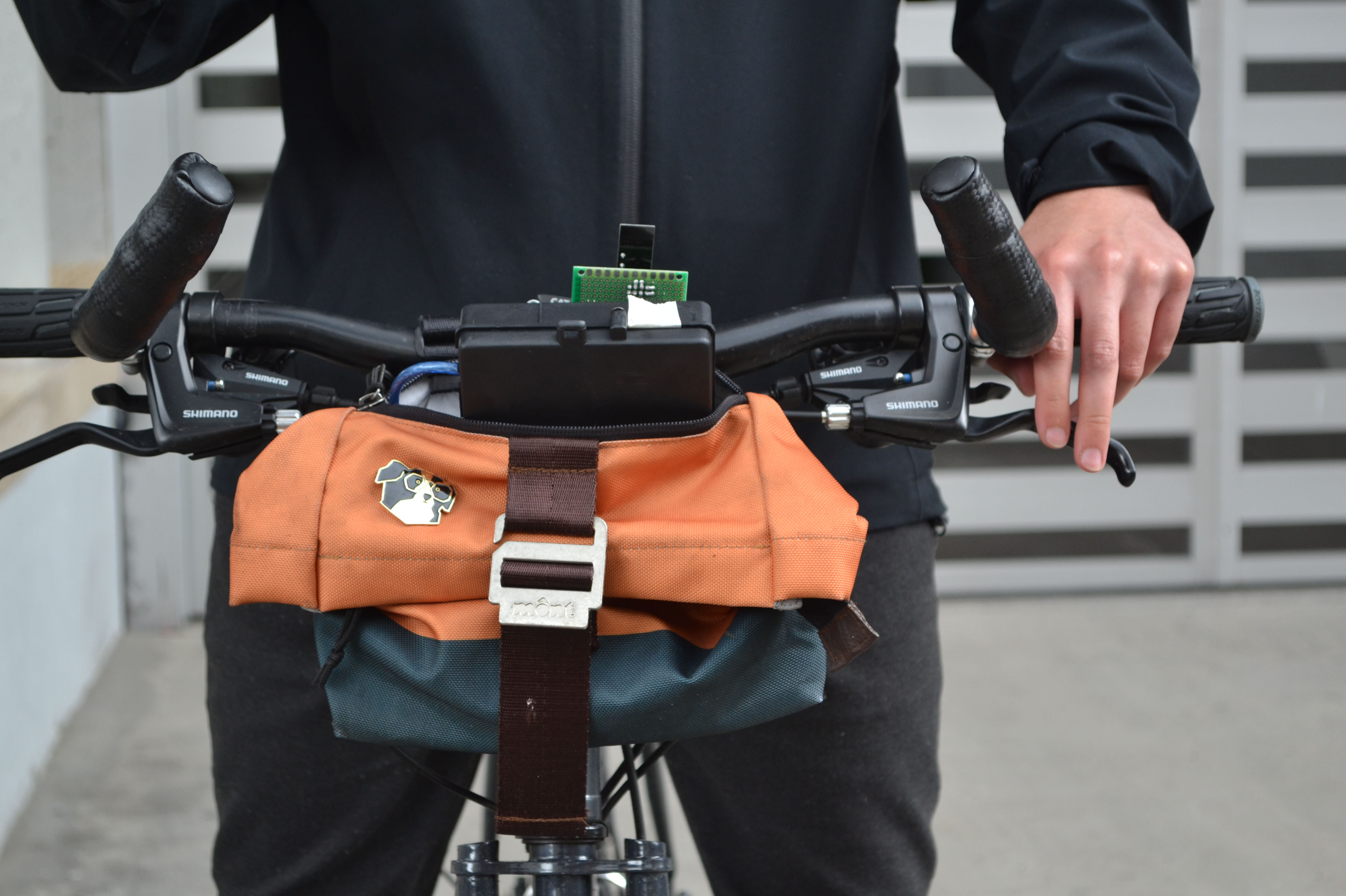
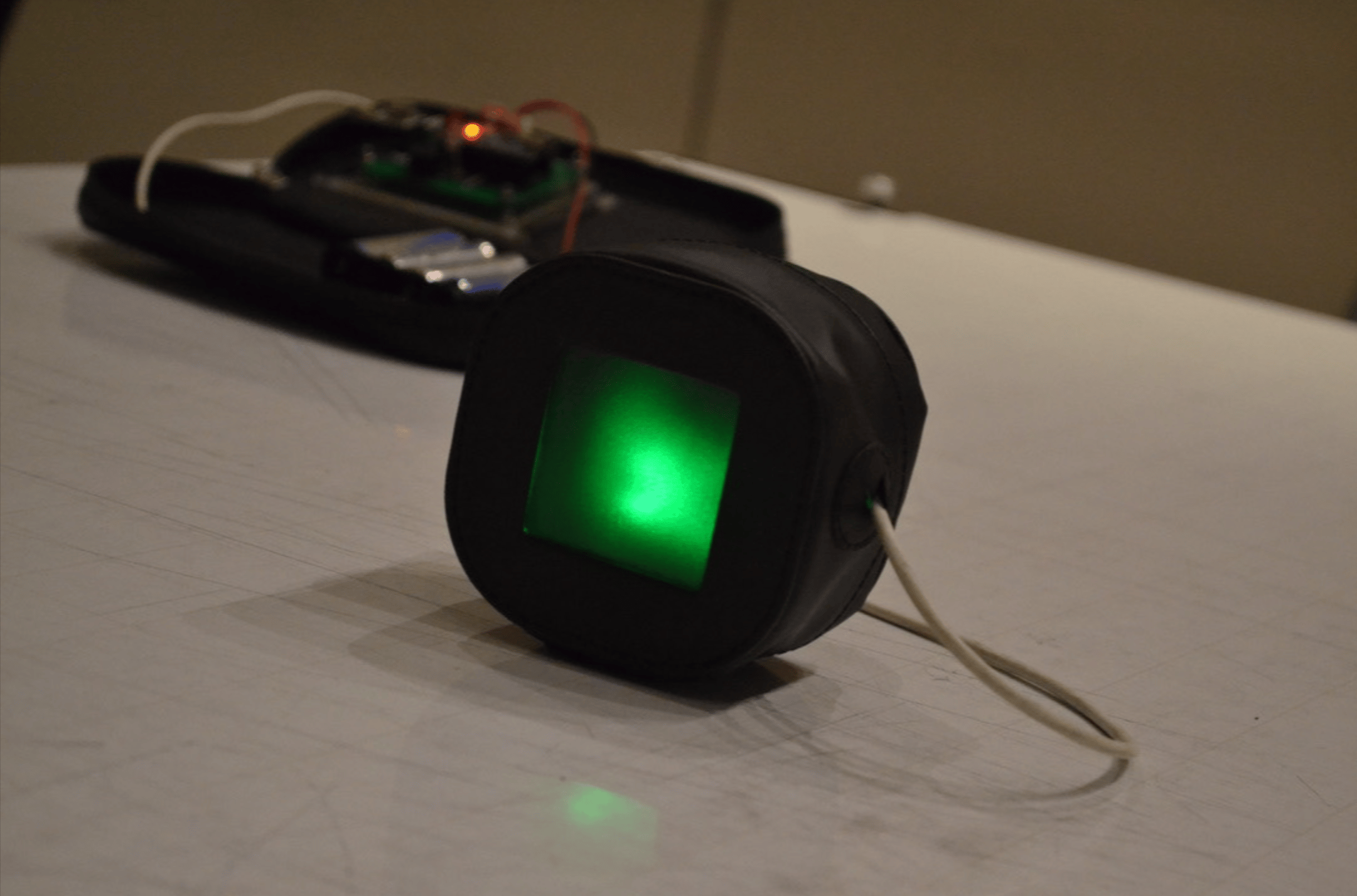
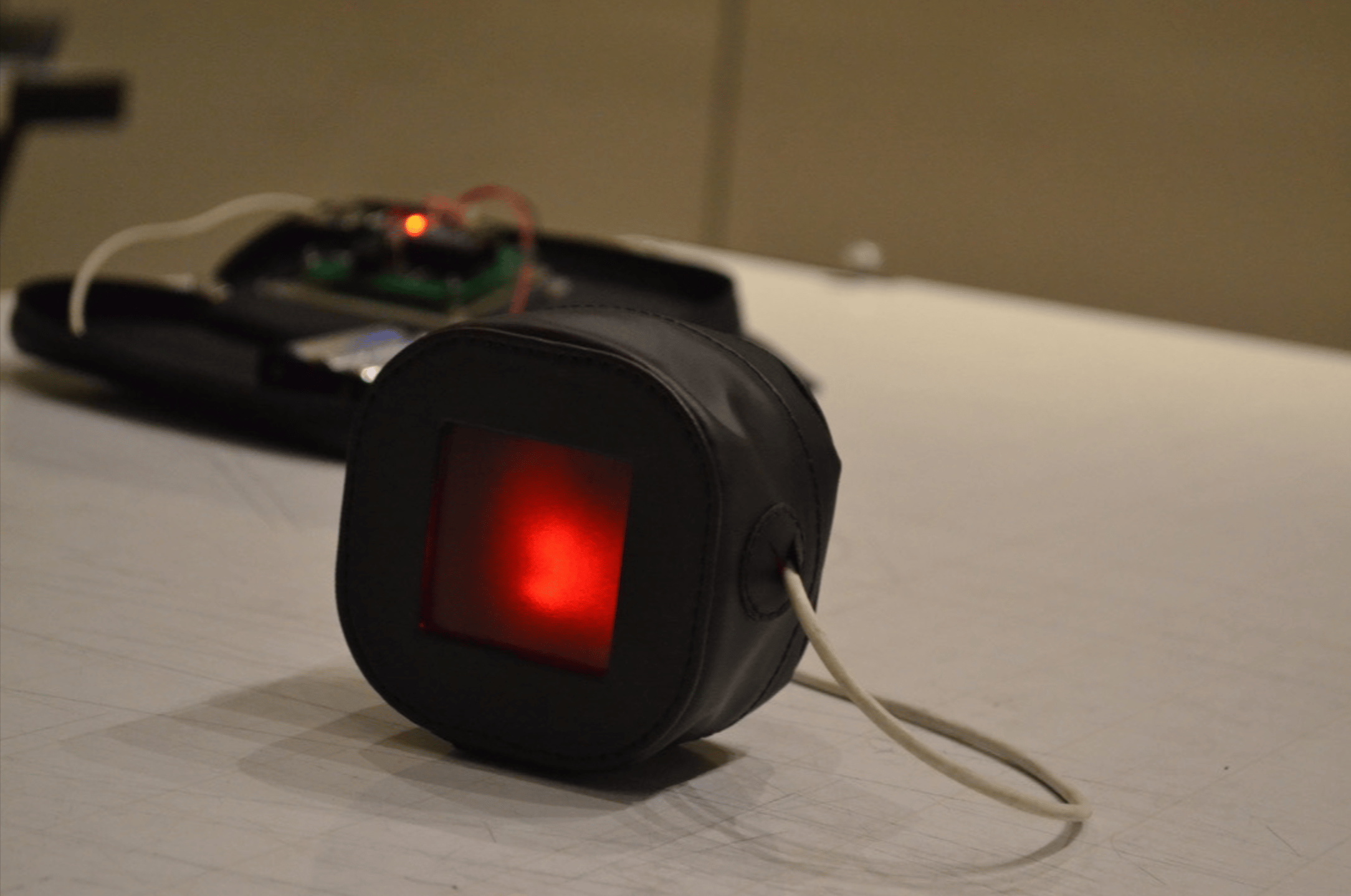
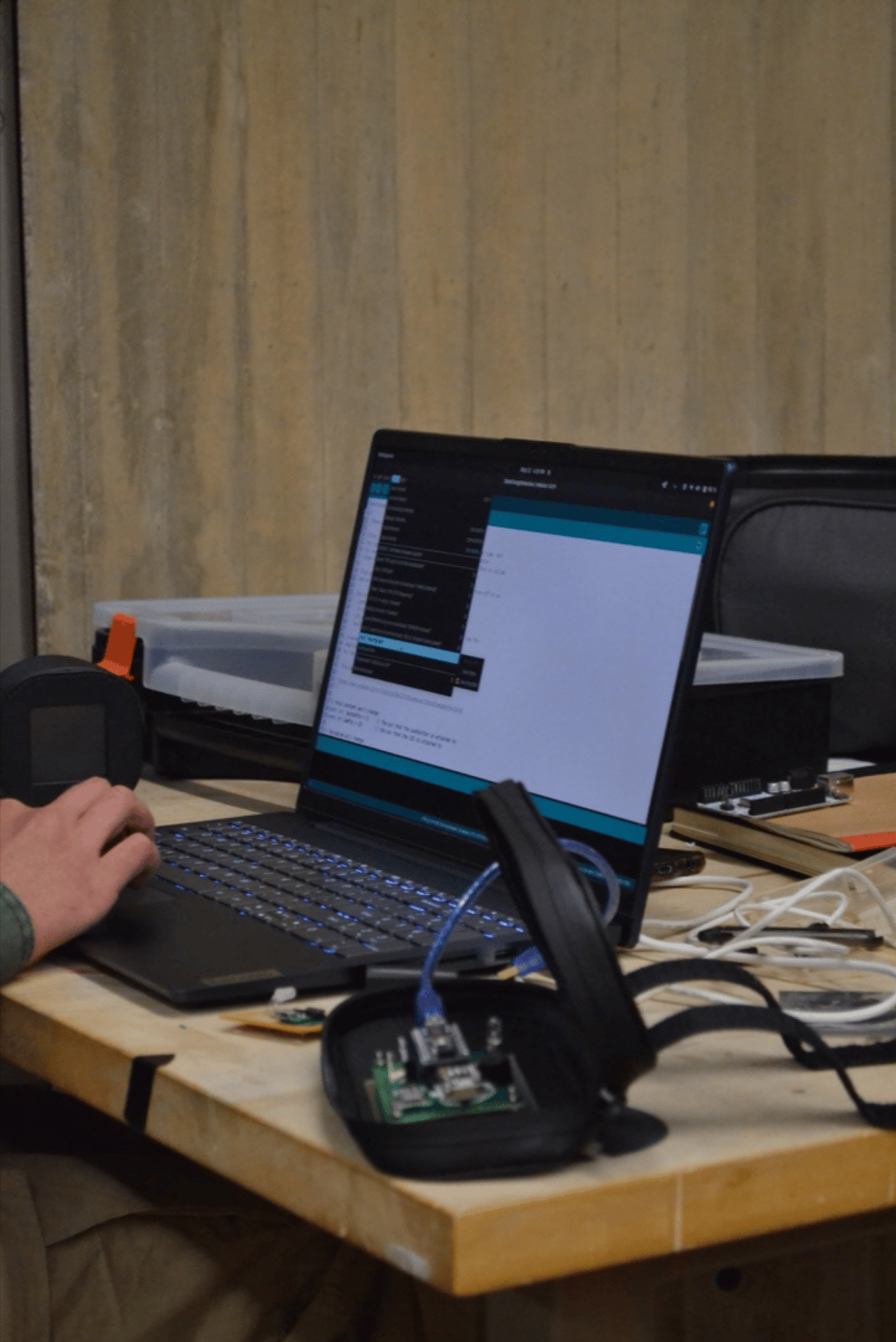
Based on what emerged from the sessions, I designed, coded, and built an open source hardware module powered by Arduino. The module controls a built-in light whose behavior the cyclist can configure through an interface that reflects their own riding practices.
The light can sync with frequent riding companions, creating a shared visual rhythm between cyclists who know each other. It can also sync with strangers, turning an anonymous interaction on the road into a moment of connection. The specific behaviors were defined by the cyclists themselves during the lab sessions, not by me.
The blueprint
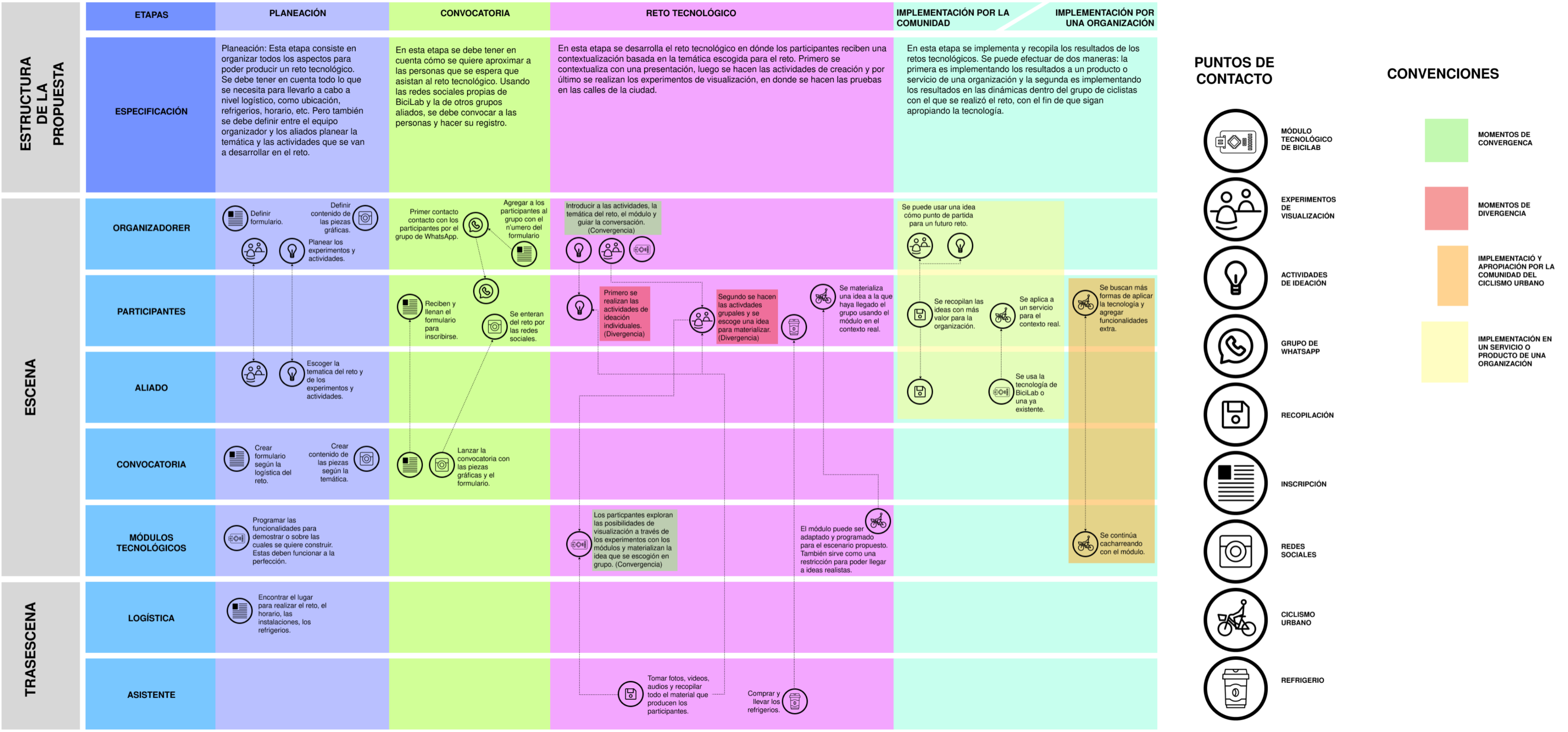
The blueprint maps the full experience of a BiciLab session, from planning and convocation through the technological challenges and into implementation. It serves as a replicable methodology for anyone who wants to run a session of their own, keeping the project open and community-driven beyond its original context.
What I learned
BiciLab taught me that design research is most valuable when it gives communities authorship over the things being designed for them. It also pushed me to work across media I don't normally occupy: physical hardware, embedded code, service design, and participatory facilitation. The result wasn't just a module. It was a method.